Survivorship

CCRF Chair Tracy Hollington Brings Lived Experience Voice to National Childhood Cancer Forum

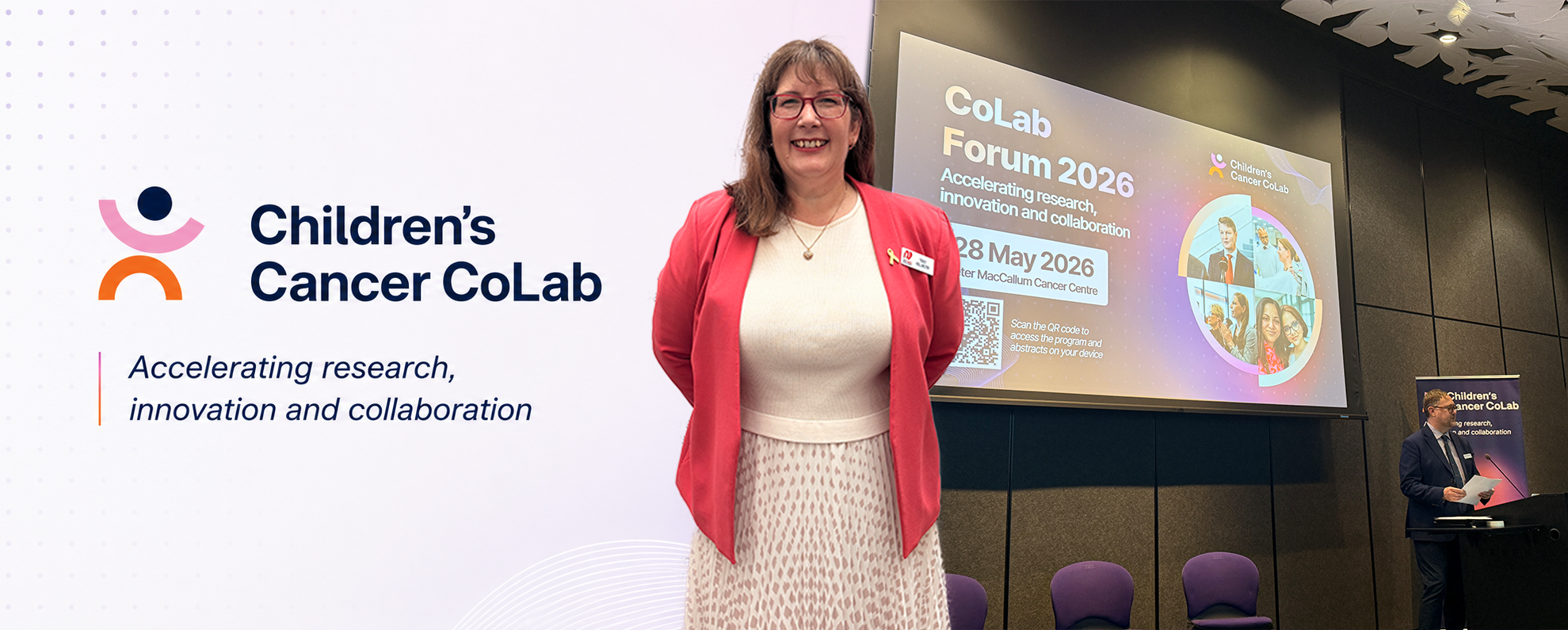
Child Cancer Research Foundation (CCRF) Chairperson Tracy Hollington has represented both Western Australia and the lived experience community today at the inaugural Children’s Cancer CoLab Forum 2026 in Melbourne.

Held at the Peter MacCallum Cancer Centre, the national forum brought together researchers, clinicians, advocates and lived experience representatives from across Australia to explore the future of childhood cancer research, treatment and survivorship care.

Tracy was invited to speak as part of a clinical research session examining how real-world evidence and patient experience can help improve outcomes for children and adolescents diagnosed with cancer. The session explored topics including financial toxicity, equitable access to care, survivorship, supportive care, precision medicine and long-term treatment impacts.

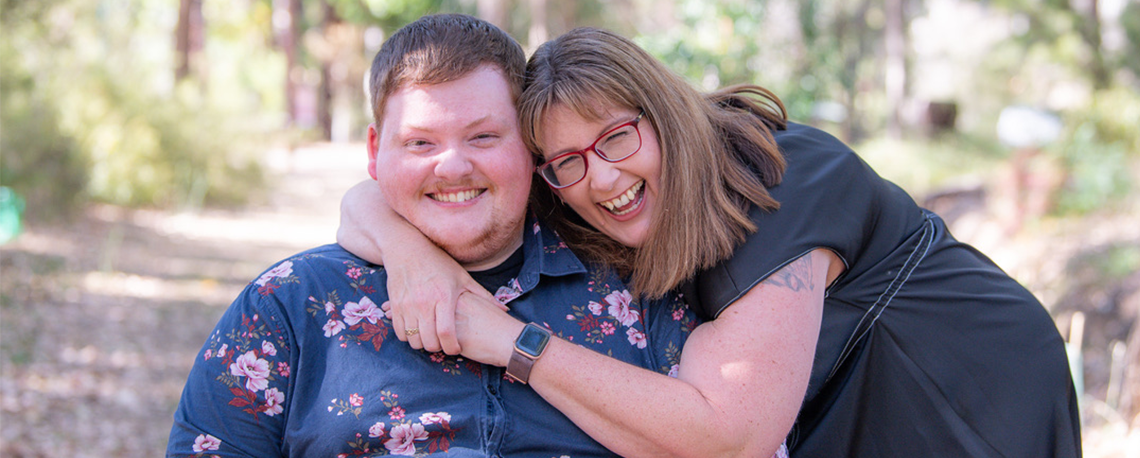
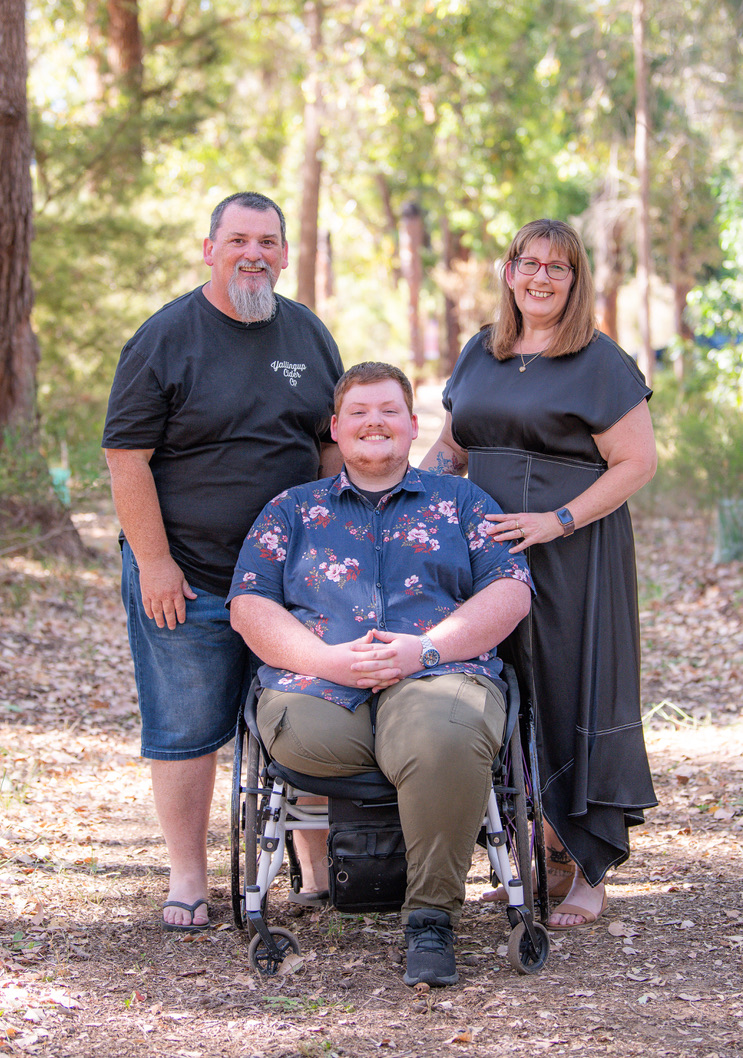
Drawing on her family’s own experience following her son Angus’ diagnosis with Ewing Sarcoma and later treatment-related Acute Myeloid Leukemia (AML), Tracy spoke openly about the lifelong effects childhood cancer can have on young people and their families long after treatment ends.

“We know the drill. Chemotherapy is damaging. It’s chemical warfare against cancer,” Tracy said during her presentation.

“But chemo is often the best we have, and that’s why we are here. Because our kids deserve better.”

Angus was just 11 years old when he first complained of pain in his leg. What initially appeared to be a simple ache soon became a diagnosis that would change the course of his life and his family’s future.

Over the years that followed, Angus endured surgeries, chemotherapy, extended hospital stays and complex limb salvage procedures. More than four years into remission, routine blood tests revealed another devastating diagnosis — treatment-related Acute Myeloid Leukemia caused by the chemotherapy used to treat his original cancer.

“The chemotherapy he had caused another, more deadly cancer,” Tracy said.

Angus ultimately underwent an amputation followed by a stem cell transplant during the height of the COVID-19 pandemic. Today, he lives with significant long-term health impacts including cardiomyopathy, infertility, neurocognitive challenges and disability resulting from treatment.

Tracy’s presentation highlighted the growing national conversation around survivorship and the reality that while childhood cancer survival rates have improved significantly, many survivors continue to face lifelong physical, emotional, educational and psychosocial challenges.

“Survival isn’t the end of the story,” Tracy said.

“We need better treatments that cause less fallout. We need stronger psychosocial support and systems that recognise the lifelong impacts childhood cancer can have on young people and their families.”

Her presentation also explored the often-overlooked impact childhood cancer has on siblings, family stability, education and future employment opportunities.

“I could talk about the impact on my daughter, and how siblings become the forgotten ones in this experience,” Tracy shared.

“How they suffer the same loss and grief with very little support, and how as parents we are in constant crisis and barely able to meet their needs let alone our own.”

CCRF is proud to see Tracy representing both the organisation and the lived experience community on a national stage, helping ensure the voices of survivors and families remain central to the future of childhood cancer research and care.

As Australia continues to improve survival outcomes for children diagnosed with cancer, forums such as the Children’s Cancer CoLab Forum play an important role in driving conversations around not only cure, but quality of life, survivorship and long-term wellbeing.

For more than four decades, CCRF has funded childhood cancer research while continuing to advocate for improved outcomes for children, adolescents and survivors affected by cancer.

Professor Nick Gottardo recognised for advancing childhood cancer treatment in WA

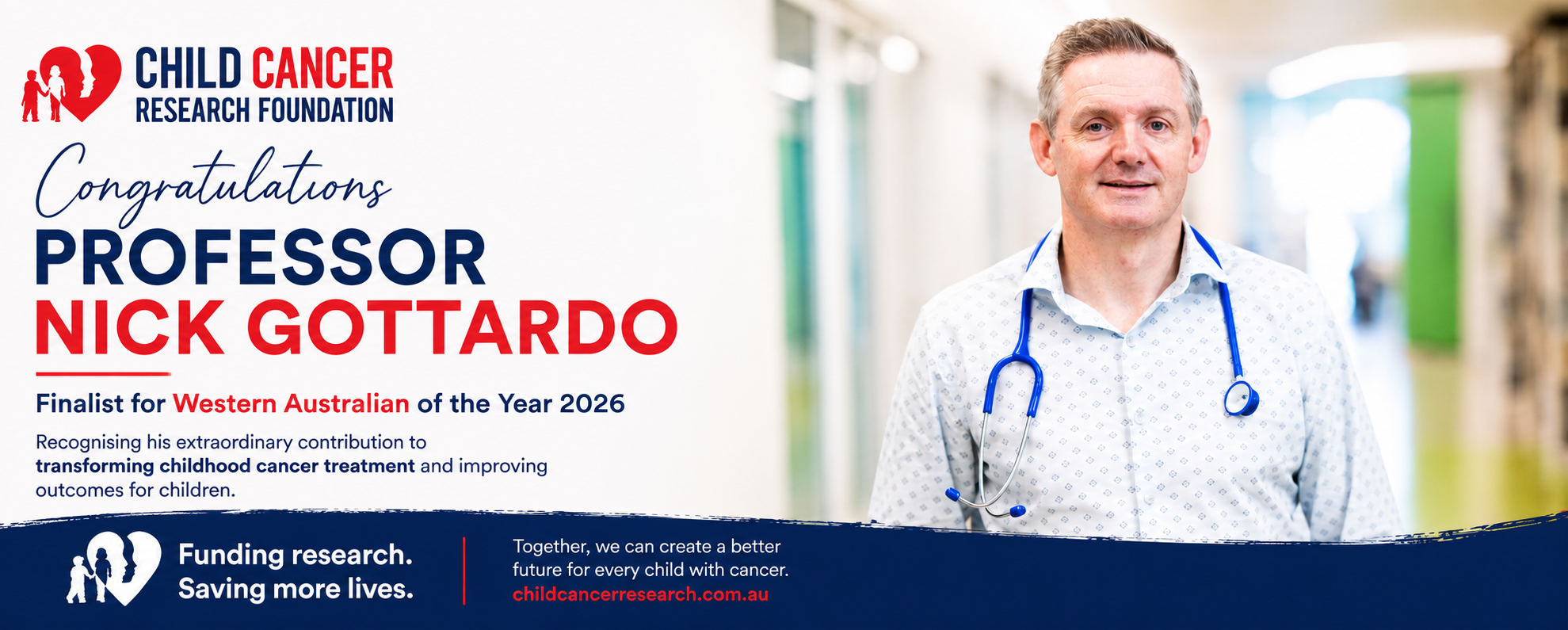
The Child Cancer Research Foundation (CCRF) congratulates Professor Nick Gottardo on being named a finalist for Western Australian of the Year 2026, recognising his significant contribution to childhood cancer treatment and research.

Professor Gottardo is Clinical Director of the WA Comprehensive Kids Cancer Centre and a leading paediatric oncologist whose work has helped improve outcomes for children facing cancer, particularly children diagnosed with brain tumours.

According to reporting by The West Australian, Professor Gottardo has led the Australian and New Zealand AIM BRAIN project, which uses advanced molecular profiling to improve diagnosis and personalise treatment pathways for children with brain cancers. The program has helped move childhood cancer care away from a “one size fits all” approach and toward more precise, targeted treatment based on the individual biology of each child’s tumour. Importantly, the work also focuses on reducing the long-term impacts many survivors experience following treatment.

“The goal is not only to cure more children, but to do it with kinder, less toxic treatments,” Professor Gottardo told The West Australian.

That focus strongly aligns with the growing recognition across the childhood cancer sector that survival alone is not enough. Today, around 80 per cent of children diagnosed with cancer survive, but many continue to face lifelong physical, cognitive and emotional impacts from treatment. Research that improves both survival and long-term quality of life is critical.

At CCRF, we know progress in childhood cancer happens because of researchers, clinicians, families and supporters all working together to improve outcomes for children and young people. Recognition like this highlights the importance of continued investment in childhood cancer research, innovation and survivorship support here in Western Australia and across the country.

We congratulate Professor Nick Gottardo and the wider childhood cancer community on this well-deserved recognition.

Source: The West Australian, Kirsty Lichtenstein, 22 May 2026.

Survivors Are Speaking Up About Life After Childhood Cancer

Childhood cancer survivorship is no longer a quiet conversation. Survivors and families across Australia are increasingly speaking up about what happens after treatment ends, and the challenges that follow.

Recent national coverage, including reporting by The Canberra Times, reflects a growing call for better long-term support. Survivors are describing the ongoing reality of managing their health, navigating complex systems, and carrying the responsibility of coordinating their own care well into adulthood. This shift is being driven by lived experience.

A recent story shared by the Children’s Cancer CoLab highlights the experience of Maryjo, who was diagnosed with cancer at 12 after losing vision in her left eye. Her treatment involved intensive chemotherapy, radiation, and multiple surgeries. While she reached remission, the need for ongoing care did not stop.

Now 27, she continues to attend regular scans and medical appointments, while managing her own care across multiple providers. Her experience also reflects the broader impact on families, including the loss of her younger brother to the same disease. Her story is one of many now contributing to a broader national conversation.

Child Cancer Research Foundation Chair, Tracy Hollington, has seen this firsthand. Drawing on her own experience as a parent, she has spoken about the period after treatment as a “free fall”, where the structure of hospital care ends and families are left to navigate ongoing needs without a clear pathway.

For many, the challenge is not the absence of services, but the lack of connection between them. Survivors and families are often left to piece together support across health, education, and community systems, creating an ongoing burden at a time when stability is critical. As more survivors share their experiences, a clear pattern is emerging. The system has made significant progress in treatment, but is still catching up when it comes to long-term care.

At Child Cancer Research Foundation, this shift is shaping future priorities. Alongside funding research into improved treatments, there is a growing focus on survivorship and the need for more coordinated, accessible support that reflects the realities families are describing.

The conversation is changing. Survivors are making that clear. The question now is whether the system can respond.

Read the Articles:
Angus and Tracy Hollington

Surviving Childhood Cancer Is Not the End of the Story

More children than ever are surviving childhood cancer. It is a significant medical achievement. But survival comes with a cost.

A recent ABC News article has highlighted a growing concern across Australia’s childhood cancer sector. Many survivors are now living with long-term and chronic health conditions caused by the treatments that saved their lives. These impacts can include heart damage, infertility, cognitive challenges, and ongoing mental health needs.

For families, the end of treatment is not the end of the experience. It is the beginning of a new and often complex phase.

Hollington FamilyChild Cancer Research Foundation Chair, Tracy Hollington, contributed to this national conversation as part of her role on the Children’s Cancer CoLab Patient and Family Advisory Committee. Tracy brings both professional expertise and lived experience. Her son was diagnosed with Ewing Sarcoma at age 11 and later developed secondary Acute Myeloid Leukaemia as a result of treatment. While now cancer-free, he continues to live with the long-term effects of that treatment.

Her experience reflects what many families face. When treatment ends, support often reduces significantly, leaving families to manage ongoing health concerns, education disruption, and emotional recovery with limited coordination between services.

As Tracy has shared, the transition out of hospital care can feel like a “free fall”. There are services available, but accessing and coordinating them is complex. For families already carrying the trauma of treatment, this adds another layer of pressure.

This is where the gap sits. The current system is heavily focused on acute treatment, but not designed to support the long-term realities of survivorship. As survival rates improve, this gap is becoming more visible and more urgent.

At CCRF, this is a key area of focus. Our work continues to fund research into better, less harmful treatments. At the same time, we are increasing our focus on survivorship, including improving understanding of late effects, advocating for coordinated long-term support, and ensuring lived experience informs future solutions.

Survivorship is not a single moment. It is a lifelong experience. Children who survive cancer deserve the chance to live well beyond it, with a system that supports them not just through treatment, but through life. Read the full ABC News article

Read the article

News Archive
Categories