
Survivors Are Speaking Up About Life After Childhood Cancer
Childhood cancer survivorship is no longer a quiet conversation. Survivors and families across Australia are increasingly speaking up about what happens after treatment ends, and the challenges that follow.
Recent national coverage, including reporting by The Canberra Times, reflects a growing call for better long-term support. Survivors are describing the ongoing reality of managing their health, navigating complex systems, and carrying the responsibility of coordinating their own care well into adulthood. This shift is being driven by lived experience.
A recent story shared by the Children’s Cancer CoLab highlights the experience of Maryjo, who was diagnosed with cancer at 12 after losing vision in her left eye. Her treatment involved intensive chemotherapy, radiation, and multiple surgeries. While she reached remission, the need for ongoing care did not stop.
Now 27, she continues to attend regular scans and medical appointments, while managing her own care across multiple providers. Her experience also reflects the broader impact on families, including the loss of her younger brother to the same disease. Her story is one of many now contributing to a broader national conversation.
Child Cancer Research Foundation Chair, Tracy Hollington, has seen this firsthand. Drawing on her own experience as a parent, she has spoken about the period after treatment as a “free fall”, where the structure of hospital care ends and families are left to navigate ongoing needs without a clear pathway.
For many, the challenge is not the absence of services, but the lack of connection between them. Survivors and families are often left to piece together support across health, education, and community systems, creating an ongoing burden at a time when stability is critical. As more survivors share their experiences, a clear pattern is emerging. The system has made significant progress in treatment, but is still catching up when it comes to long-term care.
At Child Cancer Research Foundation, this shift is shaping future priorities. Alongside funding research into improved treatments, there is a growing focus on survivorship and the need for more coordinated, accessible support that reflects the realities families are describing.
The conversation is changing. Survivors are making that clear. The question now is whether the system can respond.
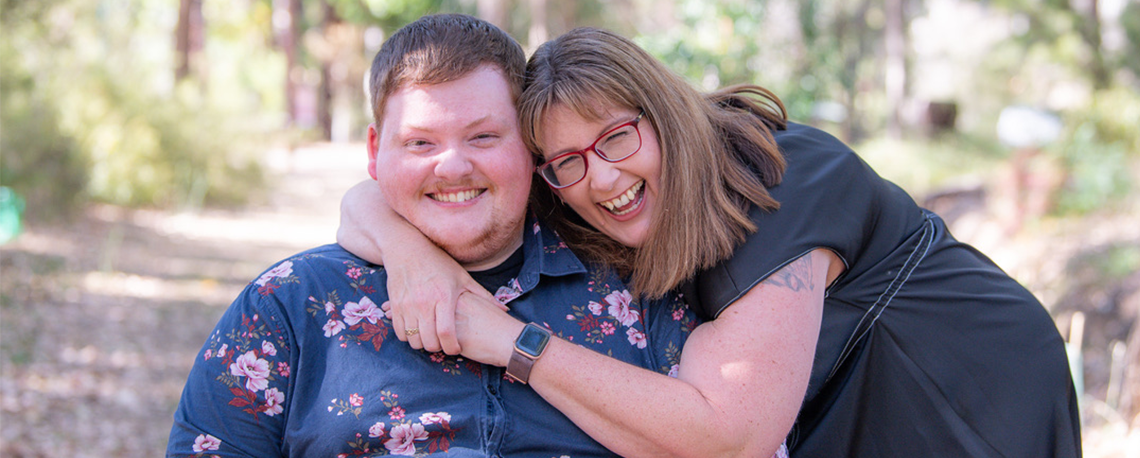
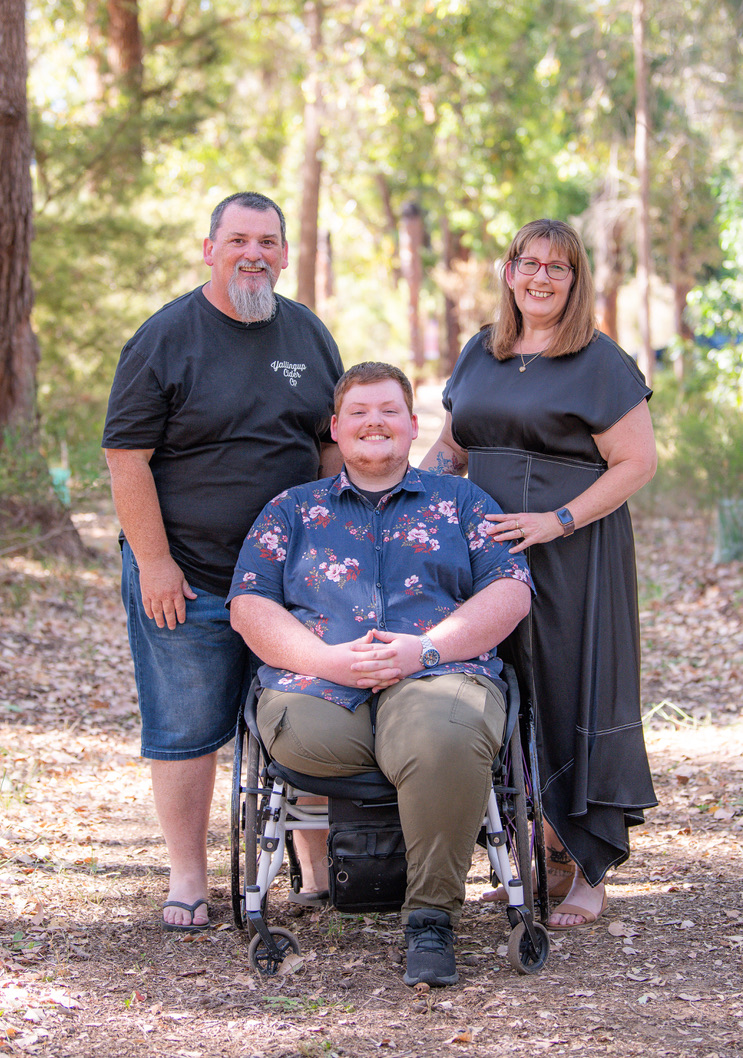 Child Cancer Research Foundation Chair, Tracy Hollington, contributed to this national conversation as part of her role on the Children’s Cancer CoLab Patient and Family Advisory Committee. Tracy brings both professional expertise and lived experience. Her son was diagnosed with Ewing Sarcoma at age 11 and later developed secondary Acute Myeloid Leukaemia as a result of treatment. While now cancer-free, he continues to live with the long-term effects of that treatment.