It began with a family who wanted better answers
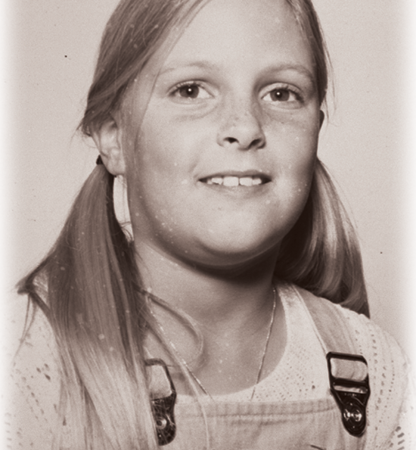
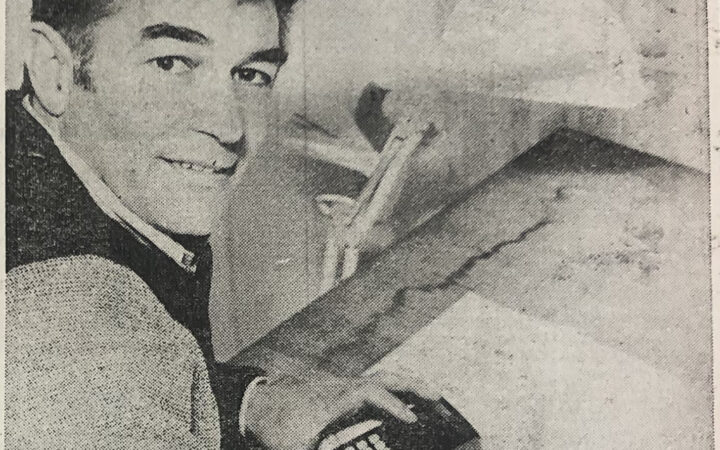
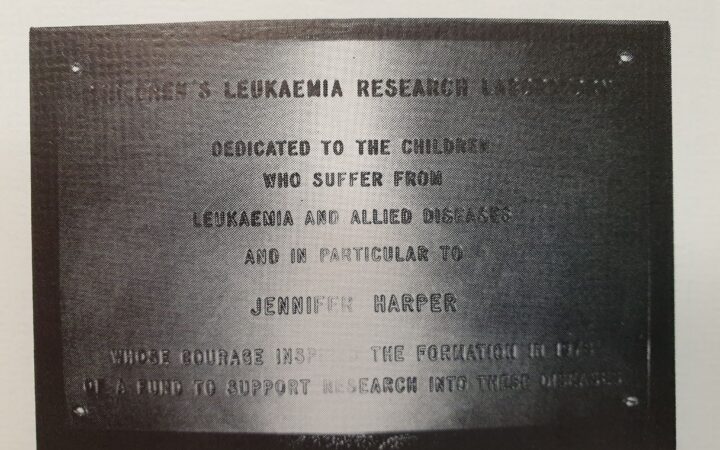
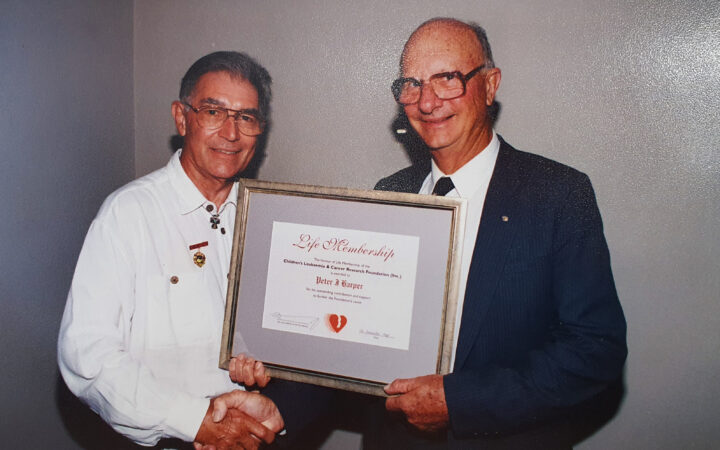
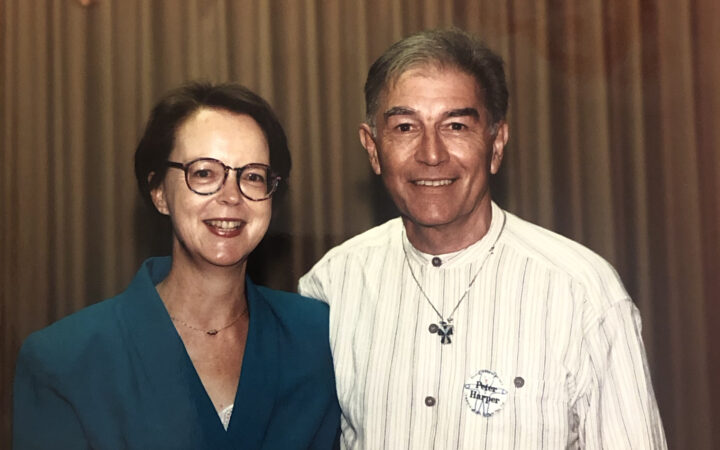
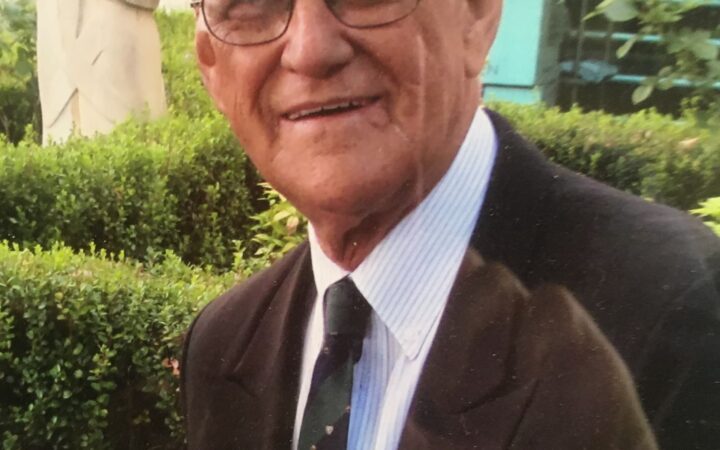
In 1977, nine-year-old Jennifer Harper was diagnosed with leukaemia. Her father, Peter Harper, went searching for information that might offer hope and discovered something confronting: there was no dedicated childhood leukaemia research taking place in Western Australia. Jennifer died in 1978.
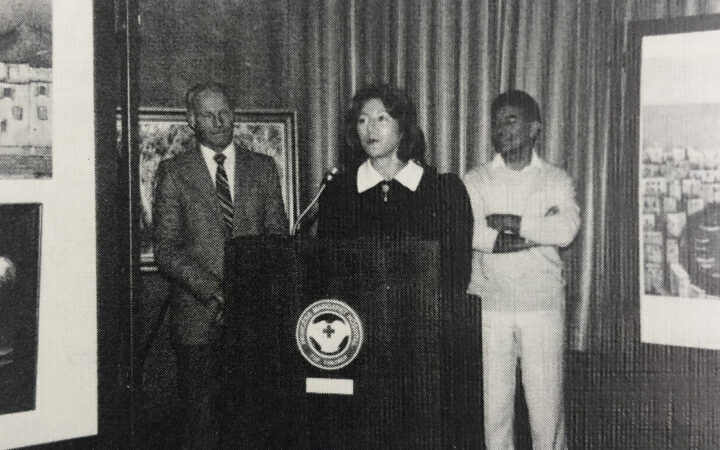
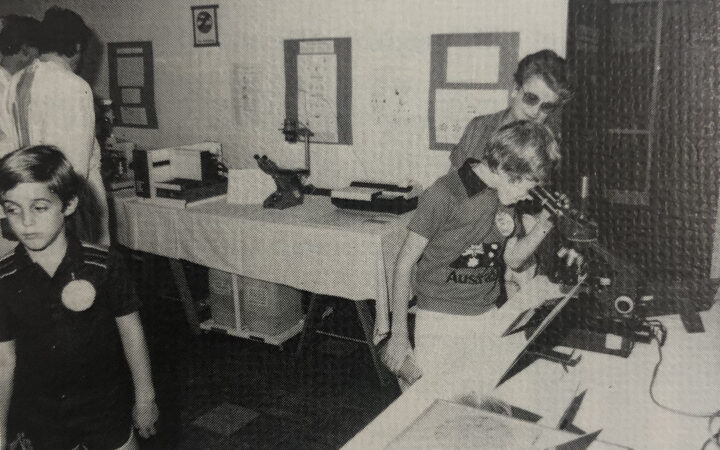
That same year, Peter and a group of like-minded parents organised the first World of Art Exhibition at Princess Margaret Hospital, raising $800 for childhood leukaemia research.
It was a modest amount by today’s standards. But it represented something much bigger: families refusing to accept that the research their children needed simply wasn’t happening here.
That determination became the beginning of Child Cancer Research Foundation.
Creating something that didn’t exist
On 21 May 1980, the inaugural meeting of the Children’s Leukaemia & Allied Disorders Research Fund was held and a fundraising committee established. Peter Harper was its Founder and Chairman. Among those who joined him was Geoff Cattach, beginning a commitment to the Foundation that would span the next 44 years. Their goal was not simply to donate to existing childhood cancer research in WA.
They wanted to help establish it.
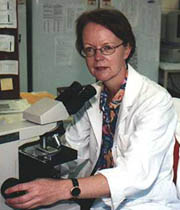
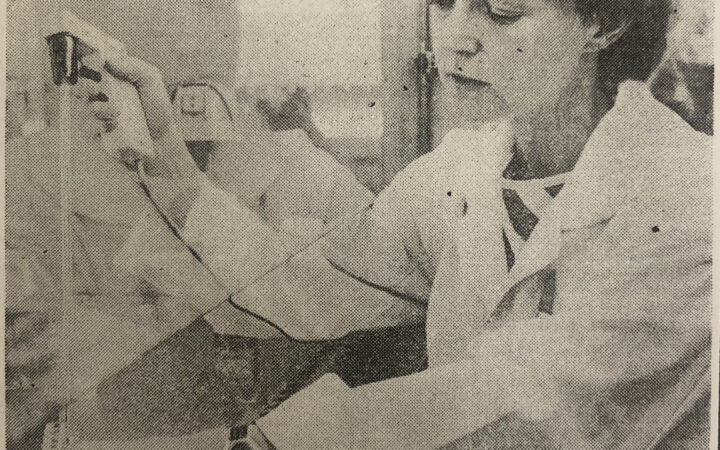
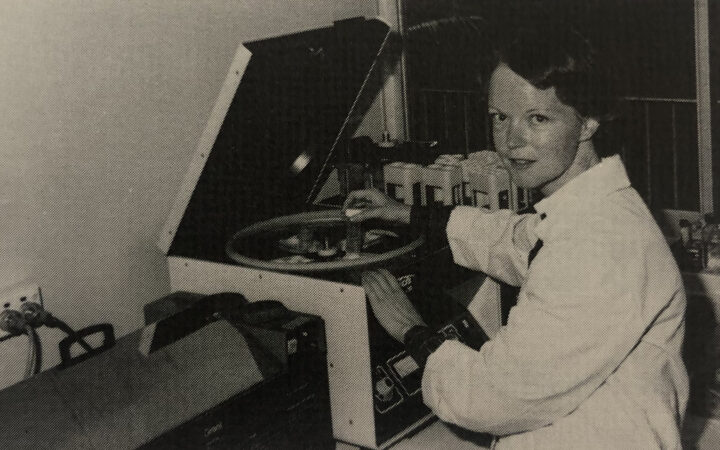
In 1983, Dr Ursula Kees was appointed Senior Research Fellow to form the nucleus of a new Children’s Leukaemia and Allied Disorders Research Laboratory at Princess Margaret Hospital. She commenced in January 1984 and, that year, the laboratory became fully operational and Western Australia’s first cancer tissue bank was established.
The Foundation had begun helping create the research capability its founders had once gone looking for and couldn’t find.
A Foundation built for the long term
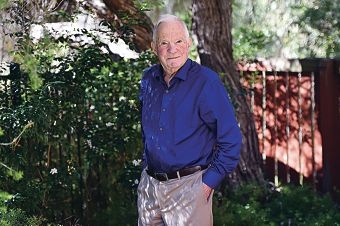
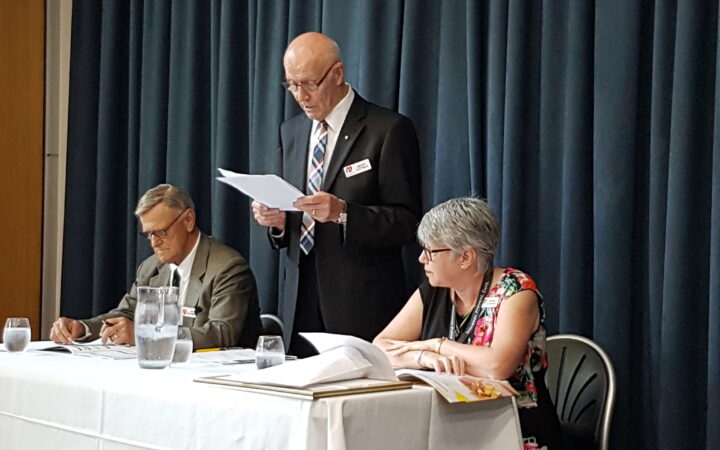
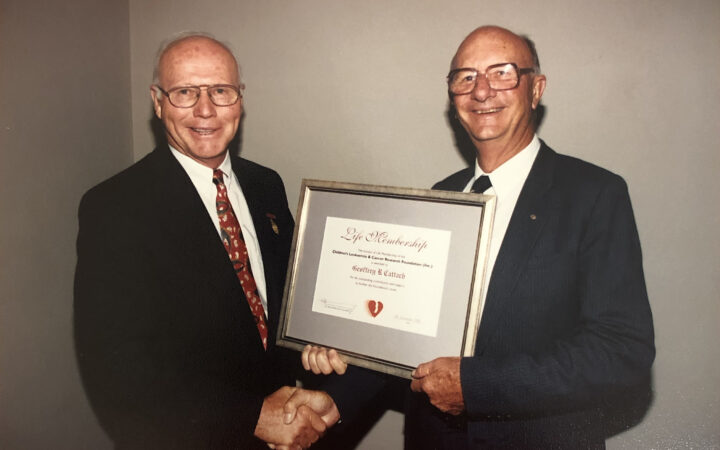
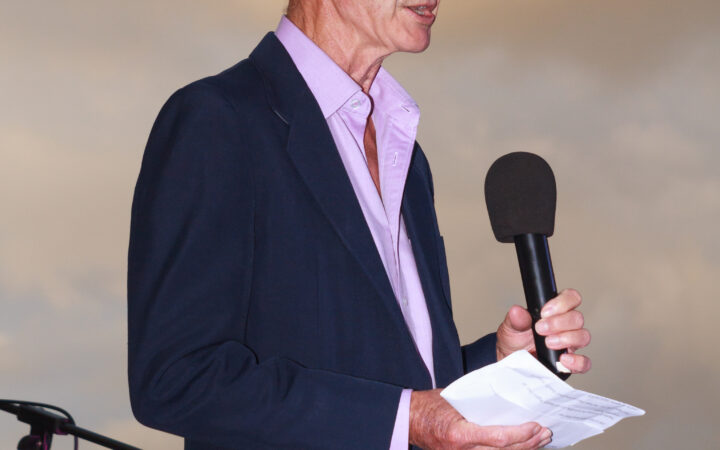
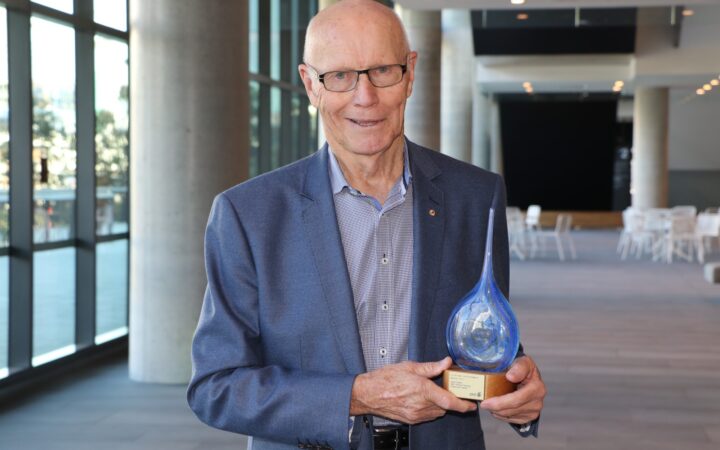
Peter Harper started something extraordinary. Others then took responsibility for ensuring it continued. Few people embody that continuity more than Geoff Cattach AM. Geoff joined the inaugural committee in 1980 and became Chairman in 1983. His commitment had begun before cancer affected his own sons, Brent and Stewart, making a cause he had already chosen to support deeply personal for the Cattach family too. He went on to serve CCRF for 44 years, including 41 years as Chair.
But Geoff’s importance to the Foundation cannot be measured only in years. Across more than four decades, he helped maintain its focus through enormous changes in childhood cancer research, fundraising, leadership and the organisation itself.
His philosophy was remarkably consistent:
“It’s about the kids. We’re here to raise money to save kids’ lives.”
That belief was bigger than any one person. It became part of the culture of the Foundation, and was/is carried by the staff, volunteers, researchers, families, donors and supporters who continued the work.
Growing without forgetting why
As childhood cancer research in WA developed, the organisation grew with it.
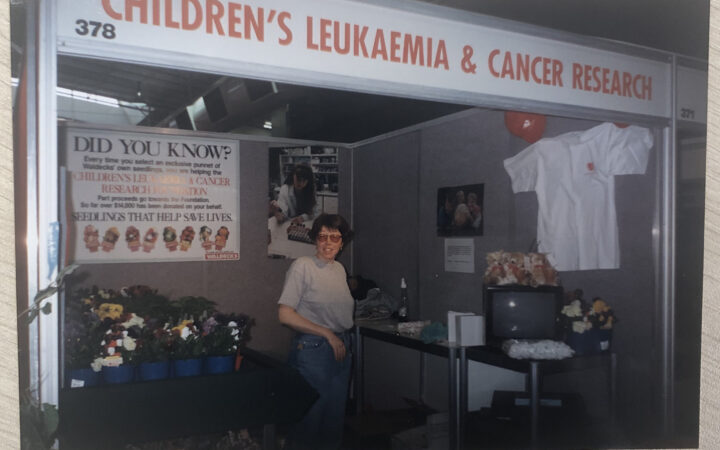
The original fundraising committee became the Children’s Leukaemia Research Fund in 1986. In 1991, its broader commitment to childhood cancers was reflected in a new name, Children’s Leukaemia & Cancer Research Foundation, followed by formal incorporation in 1992.
New generations of researchers built on earlier work. Fundraising grew. Community support expanded. Relationships with research institutions deepened and people stayed.
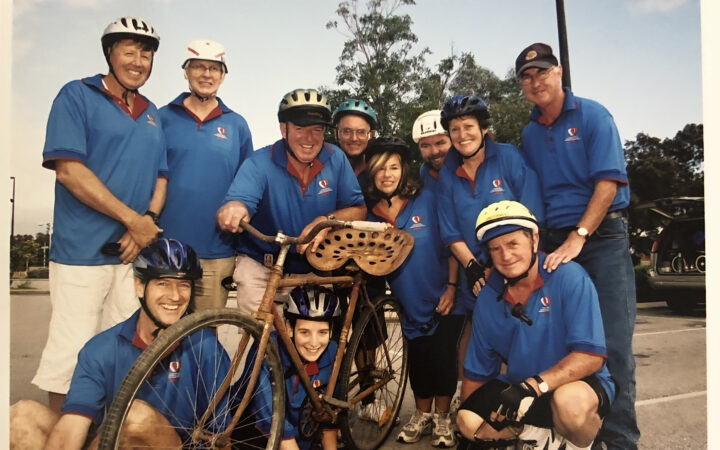
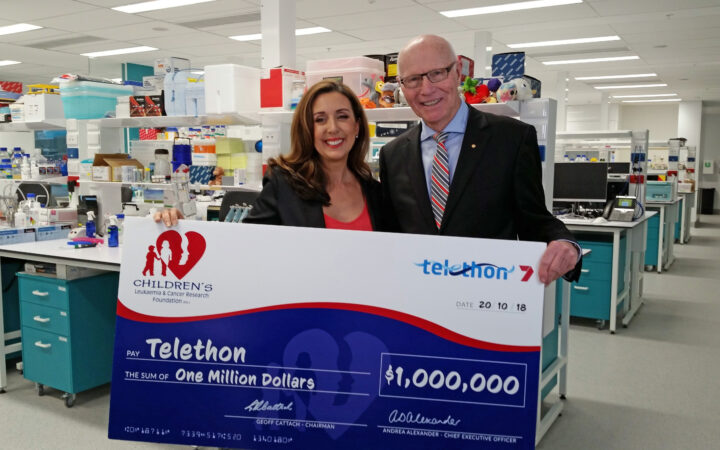
In 1996, Andrea Alexander joined the Foundation after working at Princess Margaret Hospital. Thirty years later, she remains with CCRF as CEO, carrying an extraordinary depth of organisational knowledge, relationships and commitment across another generation of the Foundation’s story. Geoff and Andrea’s long service is unusual, but it also says something important about CCRF.
This has always been an organisation built on relationships and people prepared to stay for the long haul.
What decades of commitment helped build
By the time CCRF celebrated its 40th anniversary in 2020, the childhood cancer research landscape in Western Australia looked vastly different from the one Peter Harper encountered in the 1970s.
CCRF had continued funding childhood cancer research through decades of scientific and medical change, predominantly here in Western Australia. Importantly, that significance isn’t something CCRF has simply claimed for itself.
In the 2020/21 Annual Report, Professor Terrance Johns, then Director of the Telethon Kids Cancer Centre, wrote that a major Centre-wide research initiative had been possible “thanks to decades of support from CLCRF”, which had helped build a platform of consistent, high-quality research.
The following year, Professor Johns described CCRF as an “invaluable partner” whose more than three decades of financial support had enabled the Telethon Kids Cancer Centre to “build the strong foundation from which we have grown from strength to strength.”
Those words capture something important about CCRF’s history. The Foundation didn’t make the scientific discoveries. Researchers did, but CCRF helped give research the sustained support it needed to grow.
Passing the responsibility forward
In 2022, the Foundation became Child Cancer Research Foundation, a name that more clearly reflected the breadth of childhood cancers its work had come to support.
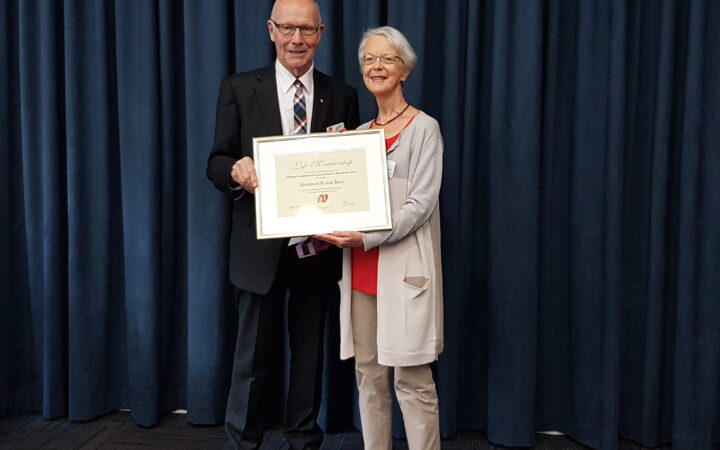
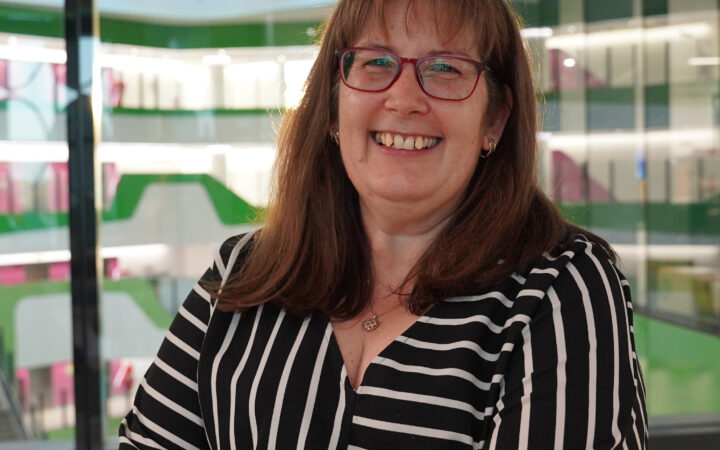
Two years later came another significant moment in CCRF’s history. In 2024, Geoff Cattach stepped down after 44 years of service and 41 years as Chair. Tracy Hollington succeeded him, carrying responsibility for the Foundation into a new generation of leadership. Geoff’s departure did not close the story he had helped build. It demonstrated that the Foundation could carry its purpose forward.
Today, Andrea Alexander provides another remarkable thread of continuity, reaching 30 years with CCRF in 2026, while a new Board, team, supporters and partners take responsibility for what comes next.
Still here. Still searching for better.
Forty-six years after the Foundation was established, much has changed.
Research has helped transform survival for many childhood cancers. Western Australia has developed a significant childhood cancer research community. CCRF has invested more than $45 million into childhood cancer research, and the small fundraising effort that began in response to an absence of research, has become an organisation supporting the search for better outcomes across generations.
But there is still much more to do.
Some childhood cancers remain incredibly difficult to treat. Treatments can have lifelong consequences. As more children survive, we understand more about the challenges some young people face long after treatment ends.
CCRF continues to fund childhood cancer research, and through our Adolescent & Young Adult Survivorship Program, we are also beginning to respond to what life beyond childhood cancer can mean for young people.
The Foundation has changed because the world around childhood cancer has changed.
The reason we are here has not. It was about the kids in 1980. It still is today.
See our impact →